Wondering what daily life in Buford, Georgia actually feels like? If you are weighing a move, you probably want more than a map pin and a few listing photos. You want to know how easy it is to get around, where you will shop and spend time, and whether Lake Lanier really shapes the lifestyle here. This guide walks you through commuting, shopping, and lake life in Buford so you can picture what living here may look like day to day. Let’s dive in.
Why Buford Stands Out
Buford is a small city of about 18,780 people, located roughly 25 miles north of Atlanta on the southern shores of Lake Lanier. With 18.15 square miles of land area, it offers a setting that feels connected and manageable while still giving you access to major regional destinations.
City planning documents point to managed growth, downtown renewal, and preserving community character. In practical terms, that means Buford is not just a place where people sleep and commute elsewhere. It has a defined core, a local identity, and a mix of everyday convenience and recreation that appeals to many buyers and relocators.
Buford Commuting Basics
If commute time matters to you, Buford offers strong highway access. The city lists I-85, I-985, Buford Highway, and Peachtree Industrial Boulevard among its key transportation routes, which helps connect residents to work, errands, and travel across the region.
According to the city’s comprehensive plan, Buford is currently served by two I-985 exits: Exit 4 at SR 20/Buford Drive and Exit 8 at SR 347/Friendship Road. Those access points can make a real difference if you want faster entry to major roads for daily drives.
Census data shows a mean travel time to work of 27.5 minutes for Buford workers age 16 and over. That gives you a useful baseline, though your actual commute will depend on where you work, the route you take, and the time of day.
Is Buford Car-Dependent?
For most daily routines, Buford still leans car-based. The city’s planning documents note a need for more pedestrian facilities and better-connected sidewalks and trails, which suggests that walkability improvements are part of the long-term conversation rather than the current norm in most areas.
That said, the city also includes local bus and MARTA access in its transportation profile. If you are comparing suburban locations, Buford offers a mix of road access and broader transit connections, even though many residents will still rely on a car for regular travel.
What This Means for Buyers
If you work in or around metro Atlanta, Buford may give you a middle ground between access and lifestyle. You can stay connected to major roads while also living near shopping, local events, and lake recreation.
That balance is often a big part of Buford’s appeal. Instead of choosing only convenience or only recreation, you get both in one city.
Shopping in Buford
Shopping is one of Buford’s biggest lifestyle draws. Official city materials point to downtown Buford as a local retail and event district, with shops, galleries, restaurants, and Main Street concerts and festivals.
That gives the city two different shopping experiences. You have a more local, small-scale downtown environment, and you also have one of the area’s major regional retail anchors.
Downtown Buford Feel
Downtown Buford is where you will find more of the city’s local character in one place. The city highlights its shops, galleries, restaurants, and community events, which makes the downtown area more than a place to run errands.
It is also part of a larger vision for downtown that includes historic Main Street, nearby residential neighborhoods, and the Buford Village mixed-use area. City planning documents describe a downtown vision with residential units, offices, restaurants, small shops, cultural facilities, and entertainment venues, reinforcing its role as a true town center.
Mall of Georgia Access
For larger-scale retail, Mall of Georgia is the major shopping anchor in Buford. Official mall information says it includes shopping and dining, plus Regal Cinema 20 and IMAX, a carousel, a trackless train, Paranoia Quest, and Billy Beez at 3333 Buford Drive.
That variety matters if you want more than just stores. It gives Buford a regional shopping and entertainment option that can support everything from routine errands to weekend outings.
Specialty Shopping Options
Buford’s retail mix is not limited to downtown shops and big-box destinations. The city also highlights Art Colony Downtown and Tannery Row Antique Mall as shopping options.
That range helps explain why Buford often appeals to people who want convenience without giving up smaller, more distinctive local spots. In daily life, it means your errands and free time do not have to feel one-note.
Lake Lanier Living in Buford
Lake life is a real part of living in Buford, not just a marketing phrase. The city directly ties Buford to Lake Lanier and highlights nearby recreation such as fishing, boating, swimming, skiing, camping, beaches, water park access, and golf at Lake Lanier Islands.
If you are moving for lifestyle as much as location, this matters. Buford gives you access to recreation that can shape your weekends, your routines, and even the kind of home search you decide to pursue.
What Lake Access Looks Like
The U.S. Army Corps of Engineers describes Lake Lanier as having dozens of recreational areas around the lake, including Corps-operated parks and campgrounds, marinas, and day-use areas. Those numbers help show why the lake plays such a large role in the area’s identity.
For you, that means lake access is not limited to one or two destinations. There are multiple ways to enjoy the water and surrounding outdoor spaces, whether you prefer boating, picnicking, camping, or a simple day by the lake.
Beyond Boating
One of the most appealing parts of Buford’s lake lifestyle is that it is broader than boat ownership. Lake Lanier Islands Resort adds more options, including a hotel, golf courses, a waterpark, horseback riding, and camping.
That opens the door to easier day trips and family outings. You can enjoy the lake lifestyle even if you are not looking for a full-time boating routine.
What Housing in Buford Often Looks Like
If you are wondering what kind of homes you will find in Buford, the answer is a mix. The city’s 2045 planning materials include low-density, medium-density, and high-density residential categories, along with mixed-use, commercial, office, parks and recreation, utilities, and industrial uses.
That tells you Buford is not a one-format market. While single-family neighborhoods remain an important part of the housing pattern, there are also areas shaped by mixed-use planning and more compact housing types.
Single-Family Homes Are Common
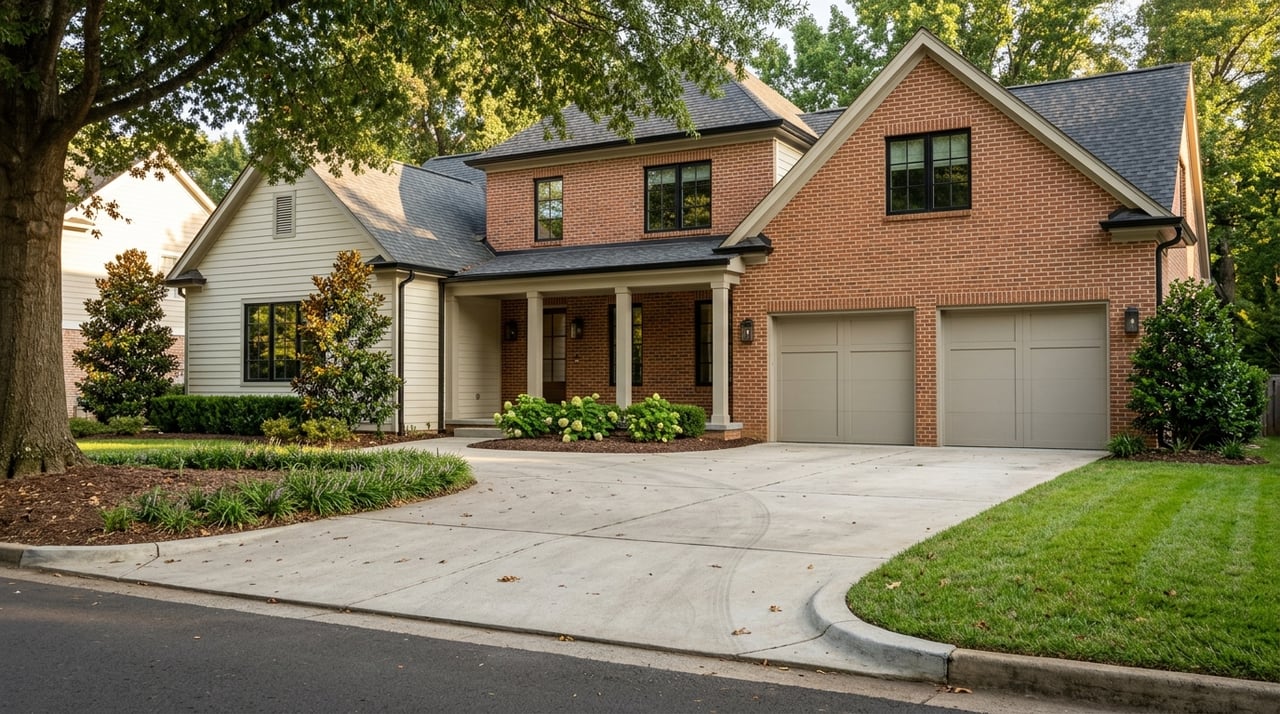
Planning documents describe Buford as being dominated by single-family residential neighborhoods. They also note older established neighborhoods near downtown and along Hamilton Mill Road, Thompson Mill Road, and South Bogan Road, with newer residential neighborhoods farther north.
For buyers, that generally means you may find different neighborhood patterns depending on what part of Buford you explore. Some areas may feel more established and tied to the historic core, while others may reflect newer development patterns.
Downtown and Infill Options
Downtown Buford is planned to support a broader mix of uses and housing types. The city’s adopted planning update identifies cottages and duplexes as appropriate small-scale infill in parts of the downtown area.
That can be helpful if you want something smaller, lower maintenance, or closer to the city’s central activity areas. It also shows how Buford is trying to grow without losing the character of its downtown core.
Market Snapshot
Census figures provide a useful high-level snapshot of the local housing market. Buford has a 68.2% owner-occupied housing rate, a median owner-occupied home value of $368,700, and a median gross rent of $1,357.
Those numbers support a neutral picture of Buford as a mostly owner-occupied suburban market with a meaningful rental segment. If you are buying, selling, or relocating, that context can help you understand the mix of long-term residents and housing options in the city.
Is Buford More About Shopping or Lake Life?
In truth, it is both. Official sources support shopping and lake access as twin pillars of the Buford lifestyle, with downtown and Mall of Georgia on one side and Lake Lanier on the other.
That combination is part of what makes Buford easy to picture as a place to live. You can run errands, meet friends for dinner, enjoy community events, and still keep boating, outdoor recreation, and day trips within easy reach.
Who Buford May Appeal To
Buford can make sense for several kinds of buyers and movers. If you want suburban living with access to major roads, regional shopping, and outdoor recreation, it checks many of those boxes.
It may also appeal if you want a city with a recognizable downtown instead of a purely spread-out suburban feel. The mix of established neighborhoods, newer residential areas, retail destinations, and lake access gives Buford a lifestyle that feels practical and flexible.
If you are comparing northeast Georgia locations and want help thinking through your options, Aleena Merilien offers a consultative, high-touch approach that helps you match the right home to the way you actually want to live.
FAQs
How far is Buford GA from Atlanta?
- Buford is about 25 miles north of Atlanta, according to the city.
What is commuting like in Buford GA?
- Buford has access to I-85, I-985, Buford Highway, and Peachtree Industrial Boulevard, and Census data shows a mean travel time to work of 27.5 minutes for local workers.
Is Buford GA good for shopping and dining?
- Buford offers both downtown shops and restaurants as well as major regional retail at Mall of Georgia, giving you a mix of local and large-scale options.
What does lake life in Buford GA include?
- Lake life in Buford can include fishing, boating, swimming, camping, beaches, golf, water park access, and day trips around Lake Lanier.
What types of homes are common in Buford GA?
- Single-family neighborhoods are the most common pattern noted in city planning materials, with some mixed-use areas and small-scale infill such as cottages and duplexes in select parts of downtown.
Is Buford GA mostly owners or renters?
- Census data shows 68.2% of Buford housing is owner-occupied, which suggests a mostly owner-occupied market with a meaningful rental segment.