Thinking about listing your Lawrenceville home this season? In a market where homes are taking weeks to go under contract, presentation and pricing can make the difference between sitting and selling. You want a clear plan that fits your timeline and budget, not a renovation rabbit hole. This guide gives you a step‑by‑step checklist tailored to Lawrenceville and Gwinnett, plus permit and disclosure tips that help you list with confidence. Let’s dive in.
Understand today’s Lawrenceville market
Recent local snapshots show a Lawrenceville home value index near 376,885 with a year‑over‑year dip and a median time to pending of about 56 days as of late January 2026. In practical terms, the market is not ultra‑fast, so first impressions matter. Neighborhood trends and ZIP‑level differences across 30043, 30045, 30044, and 30046 can affect your pricing and days on market. Use a street‑level CMA with your agent to set the right list strategy.
Seasonally, late winter into early spring often brings more buyer activity around metro Atlanta. If you want speed and stronger traffic, plan to complete visible prep before professional photography during that window.
Your 2‑week quick start (fast impact, low cost)
Focus on low‑cost, high‑impact actions that make photos pop and showings feel spacious.
- Declutter and depersonalize. Remove extra furniture, family photos, and anything that shrinks visual space. The goal is to help buyers picture themselves in the home. NAR research ranks the living room, primary bedroom, and kitchen as the top staging priorities. See the NAR staging overview for why this matters.
- Deep clean. Target kitchens and baths, baseboards, windows, vents, and light fixtures. Replace burned‑out bulbs and aim for bright, consistent color temperature.
- Small fixes. Tighten cabinet hardware, address leaky faucets, patch obvious nail holes, and ensure doors latch properly.
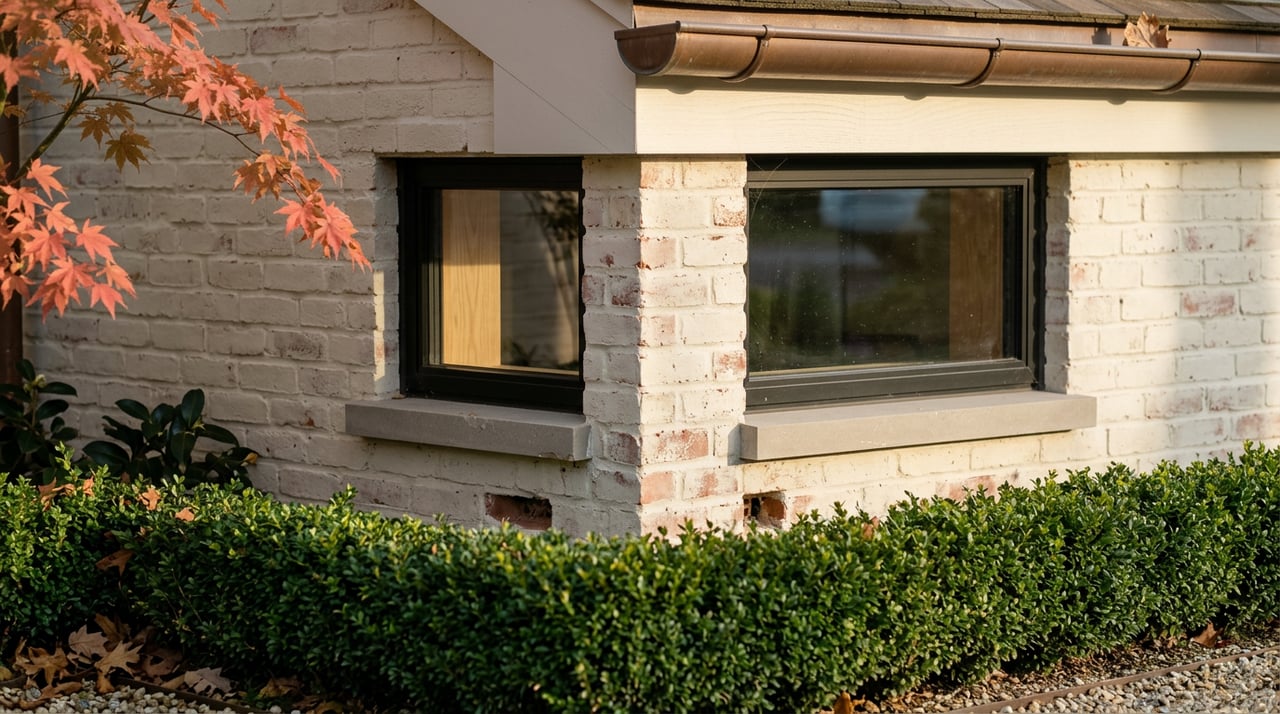
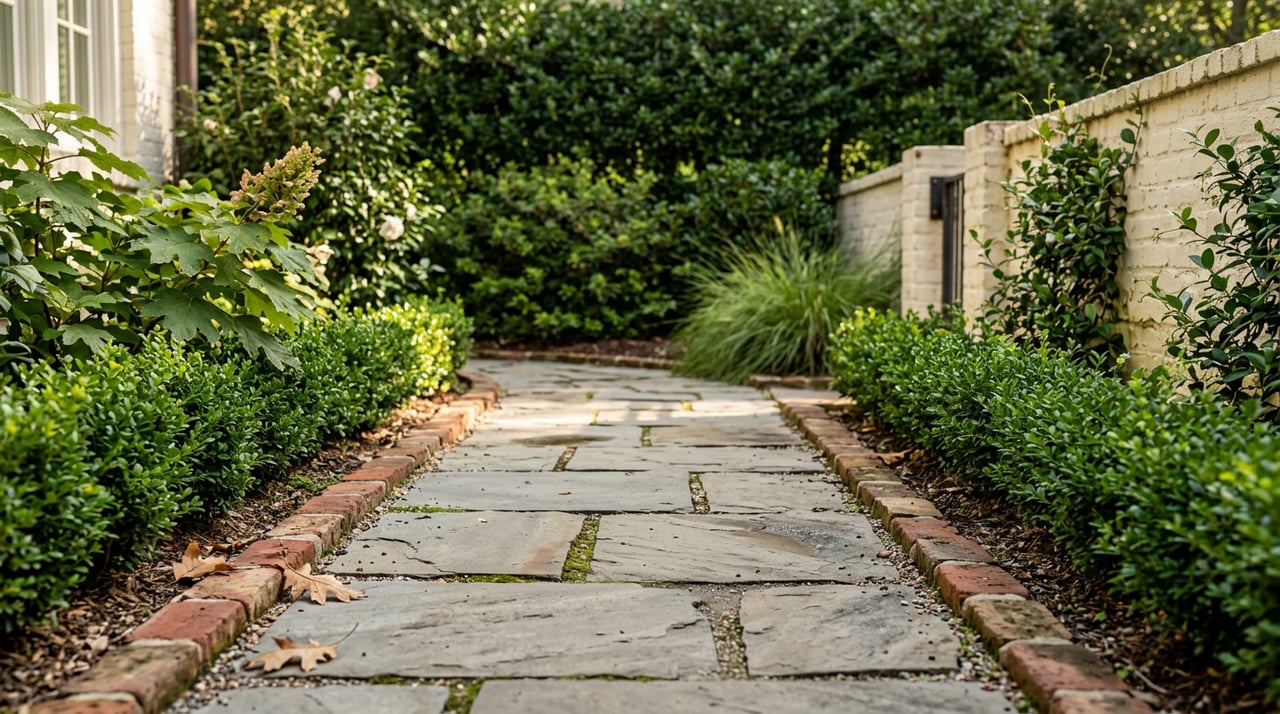
- Curb appeal basics. Power‑wash the driveway and walkways, trim shrubs, edge the lawn, and refresh mulch. NAR’s outdoor features report shows basic landscape maintenance can create real buyer interest and solid cost recovery. Review the Remodeling Impact Report for outdoor projects.
- Photo prep. Clear countertops, style open shelving lightly, and store small appliances. Finish these steps before booking your photographer so every image shines.
Weeks 4 to 6: polish and stage
Layer in cosmetic improvements that change the way your home feels online and in person.
- Neutral paint where needed. Freshen high‑traffic spaces and dated accent walls with warm, neutral tones. Crisp trim elevates the look.
- Lighting and hardware. Update dated fixtures, cabinet pulls, doorknobs, and faucets with simple, contemporary styles that align across rooms.
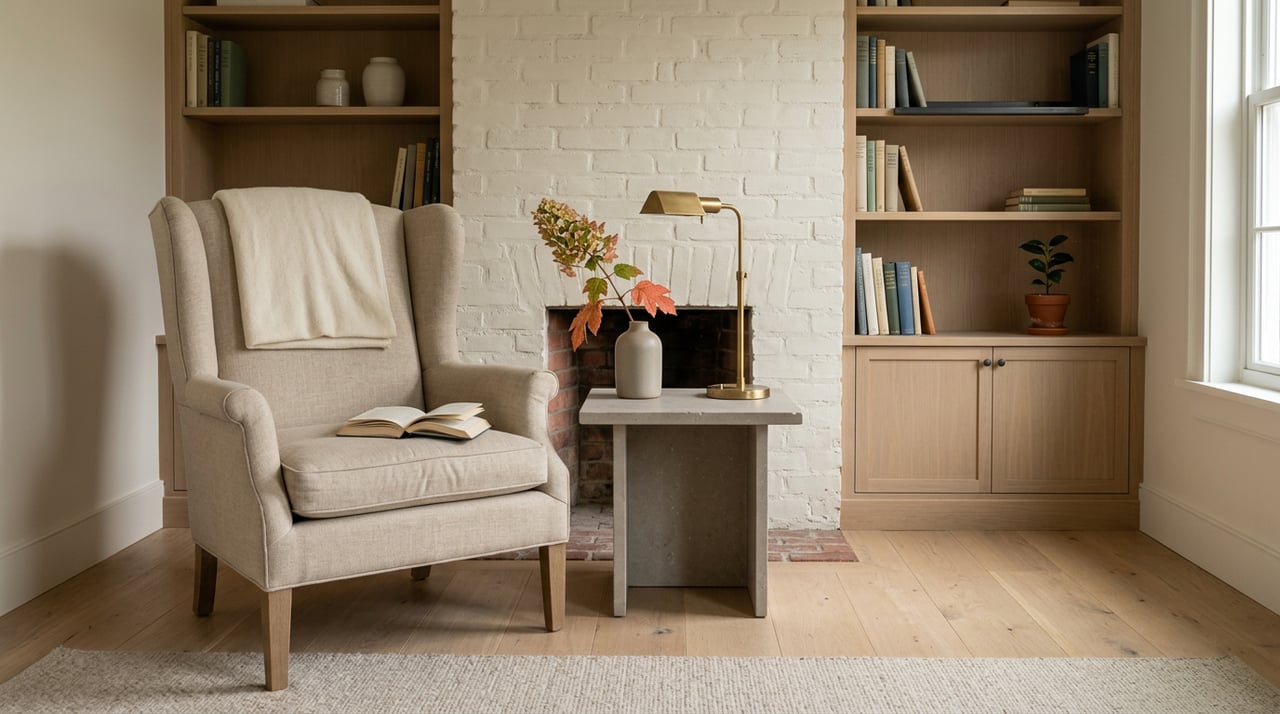
- Strategic staging. If you live in the home, focus your efforts on the living room, primary bedroom, and kitchen. If vacant, consider professional or virtual staging. According to NAR’s staging research, agents report staged homes often sell faster and can see a modest price lift in offers.
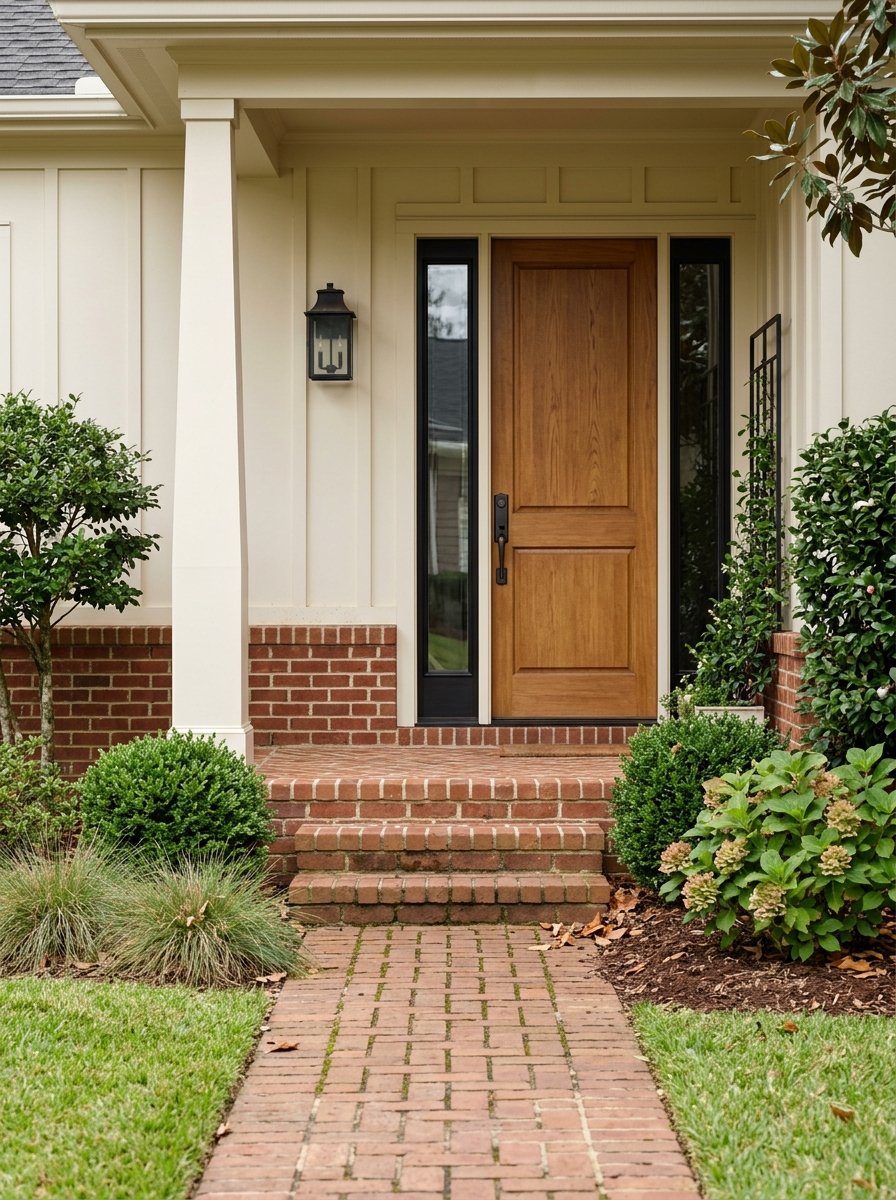
- Curb touch‑ups. Paint or replace the front door if worn. Maintain weekly lawn care for consistent show‑ready curb appeal.
Weeks 6 to 8+: targeted updates only if comps support them
Avoid over‑improving. Let your CMA guide any project above a few thousand dollars.
- Minor kitchen refresh. If nearby sales show a premium for updated kitchens at your price point, consider new cabinet fronts or hardware, modern lighting, a fresh backsplash, or midrange countertops.
- Bath touch‑ups. Recaulk, regrout, replace dated mirrors and lights, and consider a modern vanity in a key bath if comps justify it.
- Doors with high ROI. National Cost vs. Value data shows exceptional recoup for garage door replacements and steel entry doors. Explore the 2025 Cost vs. Value report to weigh scope and return.
- Skip luxury for resale. High‑end remodels and additions rarely pay back before a sale unless you are in a luxury segment where buyers expect them.
Permits, inspections, and disclosures in Gwinnett
A little due diligence now can prevent delays later.
Check permits before you start work
- City of Lawrenceville addresses. Structural, electrical, mechanical, plumbing, and many exterior projects typically require permits. Confirm your project on the city’s Building Permits page.
- Unincorporated Gwinnett addresses. Use the county’s Planning & Development resources for permit checklists, trade permits, and inspections. Start with the county’s Planning and Development documents.
Practical tip: First, confirm whether you are inside Lawrenceville city limits or in unincorporated Gwinnett. The jurisdiction determines forms, fees, and inspections.
Should you get a pre‑listing inspection?
Some sellers order a general home inspection before listing to find issues early, choose repairs on their timeline, and reduce renegotiations later. Typical costs often range from about 300 to 600 dollars depending on home size and age. The tradeoff: once you know about a material defect, you may need to disclose it or address it. Talk with your agent about whether this move makes sense for your situation.
Georgia seller disclosure basics
Georgia follows a buyer‑beware tradition in many situations, but sellers must not commit fraud and should disclose known material defects. While there is no single mandatory statewide form for all sales, the Georgia Association of REALTORS commonly used Seller’s Property Disclosure is a practical way to document what you know. Review the GAAR template Seller’s Property Disclosure form and consult your agent or an attorney with questions.
Staging, photography, and marketing readiness
Nearly all buyers start online, so make your listing irresistible at first click.
- Professional photos. Sequence images to show natural flow. Capture bright, wide angles but avoid clutter and harsh lighting.
- Floor plan or 3D tour. These assets improve click‑through and can help screening for serious buyers who value layout clarity.
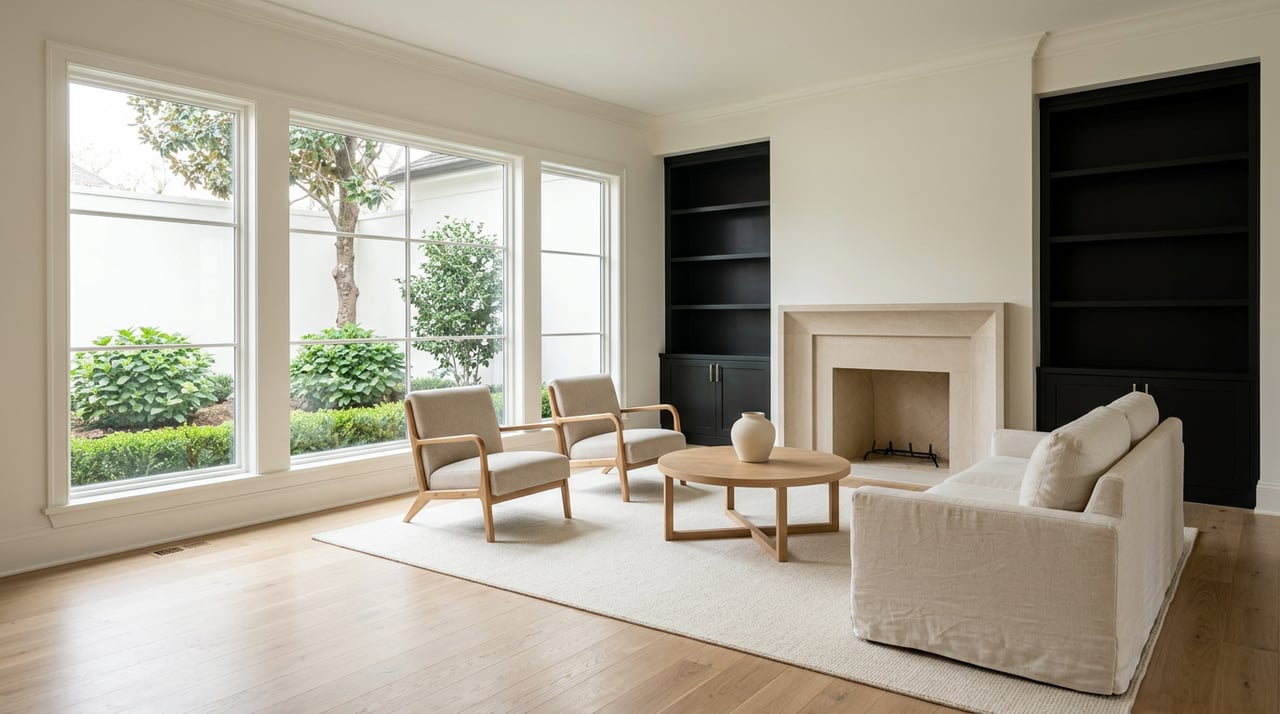
- Staging that leads the eye. Keep focal points simple, scale furniture to the room, and remove heavy drapery to maximize light. NAR’s staging guidance emphasizes the living room, primary bedroom, and kitchen first.
- Launch timing. Prep should be complete before photos. Coordinate your listing date so your home is fully show‑ready from day one.
Curb appeal: do this, skip that
Buyers form an opinion from the street. Invest where it pays off.
- Do this: lawn care, edged beds, fresh mulch, trimmed trees and shrubs, and a cleaned or painted front entry. See NAR’s outdoor features report for data‑backed projects that resonate.
- Strong ROI examples: garage door replacement and steel entry door replacement have shown standout cost recovery in national 2025 benchmarks. Review the Cost vs. Value report to decide fit and finish.
- Be cautious: in‑ground pools and upscale outdoor luxuries often offer low resale recoup. Unless comparable homes in your area consistently command a premium for them, avoid adding these right before you sell.
Showing logistics for busy households
Keep your routine intact while making access easy.
- Cluster showings. Work with your agent to offer defined showing windows. This limits disruptions and keeps the home show‑ready.
- Create a 15‑minute exit plan. Hide laundry baskets, wipe counters, run a quick vacuum path, secure valuables, and remove pet items.
- Use temporary storage. Off‑site storage or a portable unit helps maintain clutter‑free rooms and closets.
- Do not attend showings. Give buyers space to imagine the home as theirs. Your agent can field questions after.
Prioritization matrix: what to do first
When time or budget is tight, sort tasks by impact.
- Safety and code items first. Address roof leaks, electrical hazards, and system concerns. Pull permits where required. Use the city’s permit portal or the county’s planning documents to verify triggers.
- Curb appeal and cleanliness next. These steps are low cost and high impact for photos and first impressions.
- High‑ROI cosmetics. Fresh paint, updated lighting and hardware, and door upgrades. Consult the Cost vs. Value report for guidance.
- Defer luxury upgrades. Pools and high‑end customizations rarely pay back before a sale unless your comps prove buyers will pay for them.
Local context: what buyers ask about in Gwinnett
Many buyers research commute patterns, parks, and schools. If your likely buyer pool includes households focused on academics, provide neutral, factual links to school information and achievements. For example, you can share Gwinnett School of Mathematics, Science, and Technology’s published achievements page. Always direct buyers to verify current school assignments with the district.
You can also keep an eye on local growth stories to understand which pockets of Gwinnett are drawing attention. Local roundups, like this overview of fast‑growing neighborhoods, can provide general context as you and your agent frame your home’s selling points.
Make your move with a trusted local advisor
A strong sale in today’s Lawrenceville market comes from planning, presentation, and pricing. With a clear checklist and smart, data‑backed choices, you can boost interest and shorten days on market without overspending. If you want help choosing the right updates, coordinating staging and premium photography, or navigating permits and disclosures, connect with a local, boutique team that brings both market savvy and operational know‑how. Schedule a conversation with Aleena Merilien to map your pre‑list plan and launch with confidence.
FAQs
What should Lawrenceville sellers do first before listing?
- Start with decluttering, deep cleaning, and small repairs that impact photos and showings. Then address curb appeal and lighting before considering any larger updates.
Do I need permits for home projects in Lawrenceville or Gwinnett?
- Many structural, electrical, mechanical, plumbing, and accessory projects require permits. Confirm jurisdiction, then check the city’s permits page or the county’s planning documents for requirements and inspections.
Is a pre‑listing home inspection worth it in Georgia?
- It can help you find issues early and plan repairs, but you may need to disclose any known defects. Weigh the benefits with your agent based on your home’s age, condition, and your timeline.
Which upgrades deliver the best resale ROI before selling?
- Focus on paint, lighting, hardware, curb appeal, and select door replacements. Check current Cost vs. Value data and local comps before any kitchen or bath work above a few thousand dollars.
How can I reduce disruption during showings with kids or pets at home?
- Cluster showings into defined windows, keep a quick exit checklist, use temporary storage, and plan pet care during showing times. Avoid being present so buyers can view comfortably.