
Moving to a new city is exciting, but choosing the right neighborhood can feel overwhelming. If you’re relocating to Athens, you want a clear picture of how areas differ, what commutes look like, and how housing options line up with your lifestyle. This guide breaks down neighborhood types, housing styles, transportation, and the practical checks that matter before you buy or rent. Let’s dive in.
Quick orientation to Athens
Athens is a college town shaped by the University of Georgia. The university influences jobs, housing demand, and the local culture. Athens and Clarke County function as a consolidated government known as Athens-Clarke County.
You’ll often hear people include nearby Oconee County, Winterville, and parts of Madison and Oglethorpe counties in their home search. Major employers include UGA, regional healthcare systems, education services, local government, and a growing set of startups and creative industries.
Athens sits about 60 to 80 miles east of metro Atlanta. Typical drive times to Atlanta or the airport range from about 1 to 1.5 hours depending on traffic. Inside Athens, commutes are generally shorter, though main roads can get busy at peak hours and during university events.
Match neighborhood types to your lifestyle
Use these profiles to narrow your search. Exact boundaries shift over time, so plan to verify details during your visit.
University-adjacent historic areas
- What you’ll see: Sidewalks, historic homes and bungalows, narrow lots, high walkability to campus and downtown.
- Where to look: Downtown and the UGA corridor, Five Points, Normaltown, and the South Milledge/Boulevard corridor.
- Considerations: You’ll enjoy walkability, dining, and nightlife. Expect a mix of long-term residents and student rentals. Parking and noise, especially on weekends and during football season, can be tradeoffs.
Historic tree-lined neighborhoods
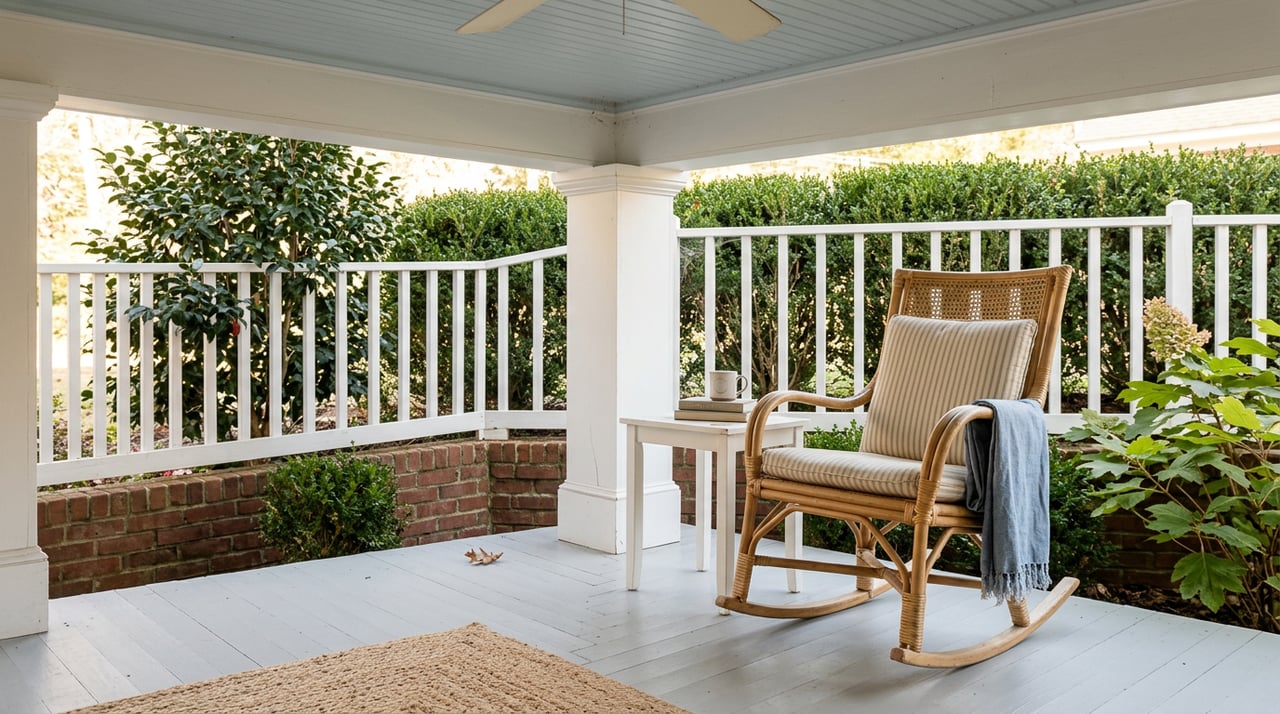
- What you’ll see: Early 20th-century architecture like Craftsman and Colonial Revival, mature trees, sidewalks, and an established feel.
- Where to look: Cobbham, Whitehall/Boulevard, and parts of the Boulevard and Prince Avenue corridors.
- Considerations: These areas appeal if you want character and access to downtown without being right on the campus edge.
Suburban and newer subdivisions
- What you’ll see: Newer construction, larger lots, cul-de-sacs, and HOA communities. More car-dependent living.
- Where to look: Parts of Oconee County, north and west Athens suburbs, Winterville, and developments off major state routes.
- Considerations: You often get more space for the price and a common commute to major employment centers. Many buyers compare public school options across county lines and verify current performance using official sources.
Downtown condos and lofts
- What you’ll see: Condos, loft conversions, and apartments above retail with high walkability to restaurants, music venues, and offices.
- Where to look: Downtown Athens core, including Broad Street and nearby historic blocks.
- Considerations: Great if you prioritize urban living. Expect HOA fees and limited private outdoor space.
Rural and exurban properties
- What you’ll see: Larger lots, small farms, and privacy outside city limits.
- Where to look: Outlying areas of Clarke County and neighboring Oconee, Madison, and Barrow counties.
- Considerations: Best if you want acreage or hobby farming. Plan for longer drives and confirm well, septic, and access details.
Student rental clusters
- What you’ll see: High rental turnover, multi-bedroom homes configured for roommates, and strong demand near campus.
- Where to look: Streets surrounding UGA, segments of North Milledge, and south campus blocks.
- Considerations: Investors may see higher cash flow potential. Balance that with wear and tear, parking constraints, and local rental rules.
Commute and transportation
Driving is the primary way most residents get around, especially outside the core. You’ll find regional access to major state and U.S. highways, plus routes that connect to I-85 and I-20 toward Atlanta. To set realistic expectations, test your routes during morning and evening peak hours or simulate drives using mapping tools.
Athens-Clarke County operates a public bus system with fixed routes across the city. UGA runs campus shuttles that serve students and staff, including some off-campus connections. Areas close to downtown and campus are highly walkable and bikeable. Multi-use paths and parks add options for recreation, including the State Botanical Garden of Georgia and Sandy Creek Park.
Housing styles and what to expect
You’ll see a wide range of homes across Athens:
- Historic single-family homes: Victorian, Craftsman bungalows, and Colonial Revival.
- Mid-century: Brick ranches and colonials.
- New construction: Subdivisions with traditional floorplans and HOA amenities.
- In-town options: Downtown lofts, condos, and infill developments.
- Other types: Manufactured homes and small rental units in some corridors.
Prices vary by proximity to UGA and downtown, condition, lot size, and neighborhood. Newer subdivisions in Oconee County often command higher prices per square foot than older in-town homes in Clarke County. For current market figures, use the latest reports from the local Realtor association or MLS.
Renting and seasonality
Near campus, the rental market follows the academic calendar, with peak leasing in spring and early summer. If you want a non-student rental near specific amenities or public schools, start early. Plan your timing around your preferred move date and verify availability in your target neighborhoods.
Practical checks before you choose
Make the most of your short list with a focused due diligence plan:
- Schools: Review county attendance maps and state report cards. Zones and metrics can change.
- Property taxes: Check county assessor sites for current millage rates and any special assessments.
- Flood risk: Confirm whether a property falls within a FEMA flood zone using county GIS and floodplain maps.
- HOAs: Review covenants, fees, rental policies, exterior change rules, pet policies, and parking.
- Short-term rentals: Look up Athens-Clarke County ordinances. Student housing and short-term rentals are active policy areas in college towns.
- Utilities and systems: For rural or exurban properties, confirm well, septic, and access details.
- Safety: Compare neighborhoods using official crime maps and recent reports for context.
A weekend scouting plan
- Visit twice: Tour target neighborhoods in the morning and evening to gauge traffic, light, and activity.
- Time a UGA event: If you can, see an area during a home game or large event to understand noise and parking.
- Test commutes: Drive your route to UGA or the hospital during peak times.
- Walk the block: Note sidewalks, lighting, street parking, and everyday convenience.
Who tends to like what
Every buyer is different, but these patterns can help you focus your search:
- If you want walkability and nightlife: University-adjacent historic areas, downtown condos, and lofts.
- If you want character and a yard near downtown: Historic tree-lined neighborhoods like Cobbham and along Prince Avenue corridors.
- If you want newer homes and more space: Suburban subdivisions in north and west Athens and nearby Oconee County.
- If you want acreage and privacy: Rural and exurban properties in Clarke and neighboring counties.
- If you are investing: Student rental clusters near campus, with careful attention to local rules and maintenance planning.
Your step-by-step next move
- Define priorities: Commute tolerance, school needs, property type, outdoor space, and HOA preferences.
- Get pre-approved: Strengthen your position and set a clear budget range.
- Request a local market brief: Ask for current inventory, neighborhood comps, and timing guidance.
- Plan an in-person visit: Tour at different times of day and, if possible, during a major UGA event.
- Line up inspections: If you like older homes, prepare for a deeper look at systems and potential renovations.
- Confirm regulations: Verify HOAs, short-term rental rules, and any permit requirements for planned changes.
Why work with a local boutique team
You deserve a consultative process from first call to closing. A boutique Athens brokerage can give you:
- A to Z guidance: Clear steps, regular check-ins, and resources that keep you confident.
- Relocation expertise: Help aligning neighborhoods to your lifestyle, commute, and timing.
- Investor perspective: Advice on rental strategy, local rules, and management considerations.
- Renovation and repairs: Practical guidance on cost-to-cure and value-add improvements.
Ready to explore neighborhoods with a local, client-first team at your side? Connect with Aleena Merilien to schedule a consultation.
FAQs
What should I know before relocating to Athens, GA?
- Athens is a university-centered market with varied neighborhoods, short commutes, and seasonality tied to the academic calendar. Start early and verify current data.
How different are Athens-Clarke County and Oconee County for buyers?
- Many buyers compare proximity to UGA and downtown with newer subdivisions and school options across county lines. Verify taxes, schools, and HOA structures in each area.
Is downtown Athens walkable for daily needs?
- Yes, the downtown and UGA-adjacent areas are highly walkable with easy access to restaurants, shops, and services. Expect limited private outdoor space and HOA fees in condos.
How long is the commute to Atlanta and the airport from Athens?
- Typical drive times to metro Atlanta and the airport are about 1 to 1.5 hours depending on traffic and route. Test your timing during peak periods.
When is the best time to look for rentals in Athens?
- Near campus, peak leasing happens in spring and early summer. For non-student rentals, start early and plan around your preferred move date.
What due diligence should I do about flood risk and utilities?
- Check county GIS and FEMA flood maps for flood zones. For rural or exurban homes, confirm well, septic, and access details during inspections.
Are short-term rentals allowed in Athens neighborhoods?
- Rules can vary and may change. Review Athens-Clarke County ordinances and any HOA covenants before you buy if short-term renting is part of your plan.