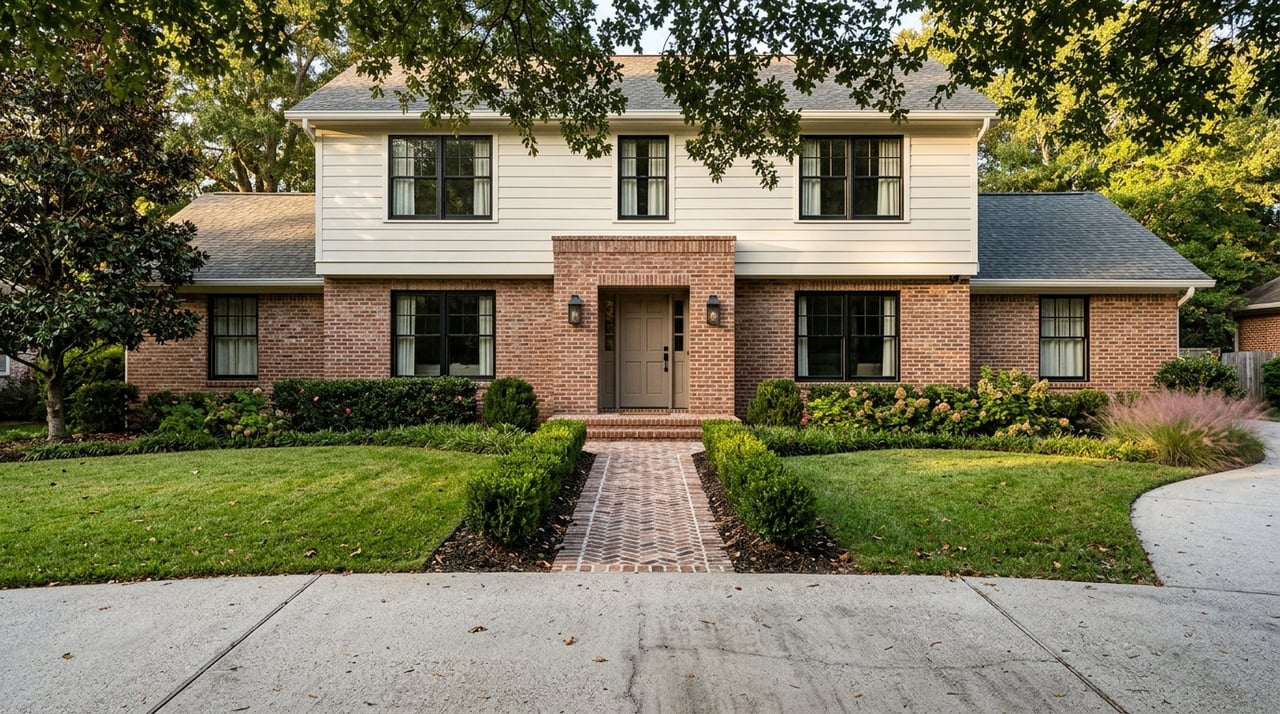
If you are shopping for a home in Bogart, one of the biggest decisions is not just the house itself. It is the neighborhood pattern, lot type, and day-to-day setup that comes with it. The right choice can shape how much privacy you have, how much yard work you take on, and how convenient your routine feels. This guide will help you compare Bogart neighborhood and lot options with more confidence. Let’s dive in.
Why lot choice matters in Bogart
Bogart gives you more than one style of living. According to the city’s planning framework and Unified Development Code adopted on August 12, 2024, buyers may be comparing compact in-town areas, traditional subdivisions, and conservation-style developments.
That matters because two homes with similar square footage can live very differently depending on the lot. In Bogart, the setting often affects privacy, outdoor space, utility service, and even future plans for sheds, gardens, or additions.
Compare Bogart neighborhood types
Traditional subdivisions
Traditional subdivisions generally follow the minimum lot size rules for the zoning district. In practical terms, this often creates a more standard neighborhood layout with defined lots, typical streets, and a familiar suburban feel.
If you want a straightforward neighborhood setup, this may be the easiest option to evaluate. You will usually want to look closely at lot shape, setbacks, and any HOA rules before deciding how well the property fits your needs.
Conservation subdivisions
Conservation subdivisions are designed to place homes on the most suitable parts of a tract while preserving open space and environmentally sensitive areas. Bogart’s code requires at least 50% of the total site to remain open space, and that open space must be permanently protected by conservation easement.
For you as a buyer, this can create a more natural setting without requiring you to own a very large private yard. These neighborhoods may also include landscape buffers along public roads, which can add a more tucked-away feel.
In-town and civic-core convenience
Some buyers care less about maximizing lot size and more about staying close to everyday amenities. Bogart has a small-town civic core with city facilities that include City Hall, the Community Center, Community Pool, Bogart Library, Sports Complex, and Historical Agricultural Center.
The sports complex behind the library includes six lighted baseball or multipurpose fields, a half-mile paved walking trail, a picnic pavilion, and two playgrounds. If your routine includes recreation, library visits, or quick local errands, neighborhood convenience may matter as much as the house itself.
Understand lot size and utility tradeoffs
Lot size in Bogart is closely tied to utility service. The city code shows that in some districts, minimum lot area can be 17,000 square feet with sewer. Lots that rely on septic require more land, including 30,000 square feet with public water and 51,000 square feet with well water.
That means the same town can offer very different lot experiences. A sewer-served lot may feel more compact and manageable, while a septic or well lot may feel much more spread out.
What larger lots can mean
Larger lots often appeal to buyers who want more privacy, more distance from neighbors, or room for outdoor uses like gardening. They may also be worth a closer look if you are thinking ahead about detached structures or future changes, subject to local permitting rules.
At the same time, more land usually means more upkeep. You may be taking on more mowing, more exterior care, and more responsibility for utility systems if the home is not on city sewer or public water.
What smaller lots can mean
Smaller subdivision lots often come with less exterior maintenance. They can also offer a more conventional neighborhood setup, which some buyers prefer for simplicity and day-to-day convenience.
That said, a smaller lot on paper may have less usable yard than you expect. Setbacks, lot shape, and utility requirements can all reduce the practical space available to enjoy or improve.
Look beyond parcel size
Bogart’s code requires at least 40 feet of street frontage, and setback rules vary by district and street type. Because of that, the usable portion of a lot can be meaningfully smaller than the total size listed in the property details.
This is especially important on irregular lots or properties with septic systems. If outdoor living space matters to you, ask where you can realistically place a fence, patio, garden, or future outbuilding before you fall in love with the address.
Check HOA expectations early
In Bogart, a homeowner’s association or property owners’ association is required for any major subdivision with common open space or similar shared features, and membership must be mandatory. The city also requires governing documents and reserve-fund planning for these associations.
That means HOA review is not a small step. It is a core part of understanding what ownership will actually feel like in some newer or amenity-rich neighborhoods.
Documents to request
Before you move forward, ask for these documents:
- Declaration or covenants
- Bylaws
- Dues schedule
- Reserve information
- Rules on exterior changes
- Rules on rentals
- Rules on fences
- Rules on outbuildings
Georgia consumer guidance notes that HOAs are private associations, so the governing documents are the main source for understanding enforceable rules and available financial information.
Verify road access and maintenance
Not every property will sit on a standard public street. Bogart’s subdivision rules define private access drives and distinguish between street types, which can affect how rural or semi-private a property feels.
If a home is on a private access drive or a less typical street, confirm who maintains the road and whether any shared-drive agreement is recorded. It is also smart to ask whether emergency access is clear and practical.
Match the home to your daily routine
A home can look perfect online and still feel inconvenient once real life starts. In Bogart, the better question is often not “Which neighborhood is best?” but “Which address works best for my routine?”
The town’s local amenities can make certain locations feel especially practical. The Bogart Library, located at 200 South Burson Avenue, offers computers, printing and scanning, meeting rooms, Wi-Fi, and a young adult area through the Athens Regional Library System.
If recreation matters to you, access to the library, sports complex, pool, and community spaces may carry real value. For some buyers, that convenience outweighs the appeal of a larger lot farther from town facilities.
Research school zones by address
If school proximity is part of your search, keep your research address-specific. Oconee County Schools provides a Find My School Zone tool as well as a bus-stop and route parent portal, and the district says buyers should use zone information and proof of residency when registering.
Bogart also has district schools located in town, including Rocky Branch Elementary and Malcom Bridge Elementary. Even so, convenience can vary quite a bit by exact address, so it is best to confirm zones and route logistics directly before making a decision.
Test the commute before you buy
Bogart sits within the Oconee County road network that includes Atlanta Highway and several numbered highway corridors. The practical takeaway is simple: commute quality depends less on the town name and more on the exact address, road frontage, and route you actually drive.
Before you write an offer, test the drive during the times you expect to travel most often. A home that looks close on a map can feel very different during school drop-off, rush hour, or evening return trips.
Questions to ask before touring Bogart homes
Use this checklist to narrow your options faster:
- Is the home on sewer, septic, or well?
- How large is the lot, and how much of it is actually usable?
- Are there HOA or POA documents to review?
- Are there rules on rentals, fences, exterior changes, or outbuildings?
- Is the property on a public street or private access drive?
- Who maintains the road?
- Would future additions or detached structures require permits?
- How does the exact address line up with school-zone research and your daily commute?
How to choose the right fit
The best Bogart home for you is the one that matches your lifestyle, not just your wish list. Some buyers will prefer a smaller, easier-care lot near town amenities, while others will want the added privacy and flexibility that can come with more land.
What matters most is understanding the tradeoffs before you buy. When you compare utility service, HOA structure, road access, lot usability, and everyday convenience together, you can make a decision that feels right long after closing.
If you want help sorting through Bogart neighborhoods, comparing lot tradeoffs, or narrowing down the right fit for your next move, Aleena Merilien can guide you through the process with clear, local insight.
FAQs
What should I compare when choosing a neighborhood in Bogart, GA?
- Compare the neighborhood type, lot size, utility service, HOA structure, road access, and how the address fits your routine for commuting and local amenities.
What is the difference between traditional and conservation subdivisions in Bogart, GA?
- Traditional subdivisions follow the zoning district’s minimum lot size rules, while conservation subdivisions cluster homes on suitable areas of a tract and preserve at least 50% of the site as protected open space.
How does sewer or septic service affect lot size in Bogart, GA?
- Bogart’s code shows that some sewer-served lots can be as small as 17,000 square feet, while septic-based lots require larger minimum areas, including 30,000 square feet with public water and 51,000 square feet with well water.
What HOA documents should homebuyers request in Bogart, GA?
- Ask for the declaration or covenants, bylaws, dues schedule, reserve information, and any rules related to rentals, exterior changes, fences, and outbuildings.
Why should homebuyers verify road maintenance in Bogart, GA?
- If a property is on a private access drive or a less typical street, you should confirm who maintains the road, whether a shared-drive agreement is recorded, and whether access is clear for everyday use and emergency services.
How should buyers check school zones for a Bogart, GA home?
- Use the Oconee County Schools zone tool and bus-route portal for the exact property address rather than relying on a neighborhood or subdivision name.
What permits might matter after buying a home in Bogart, GA?
- Bogart says building permits are required for new structures or alterations over 100 square feet, so buyers should confirm permit needs before planning additions or detached structures.