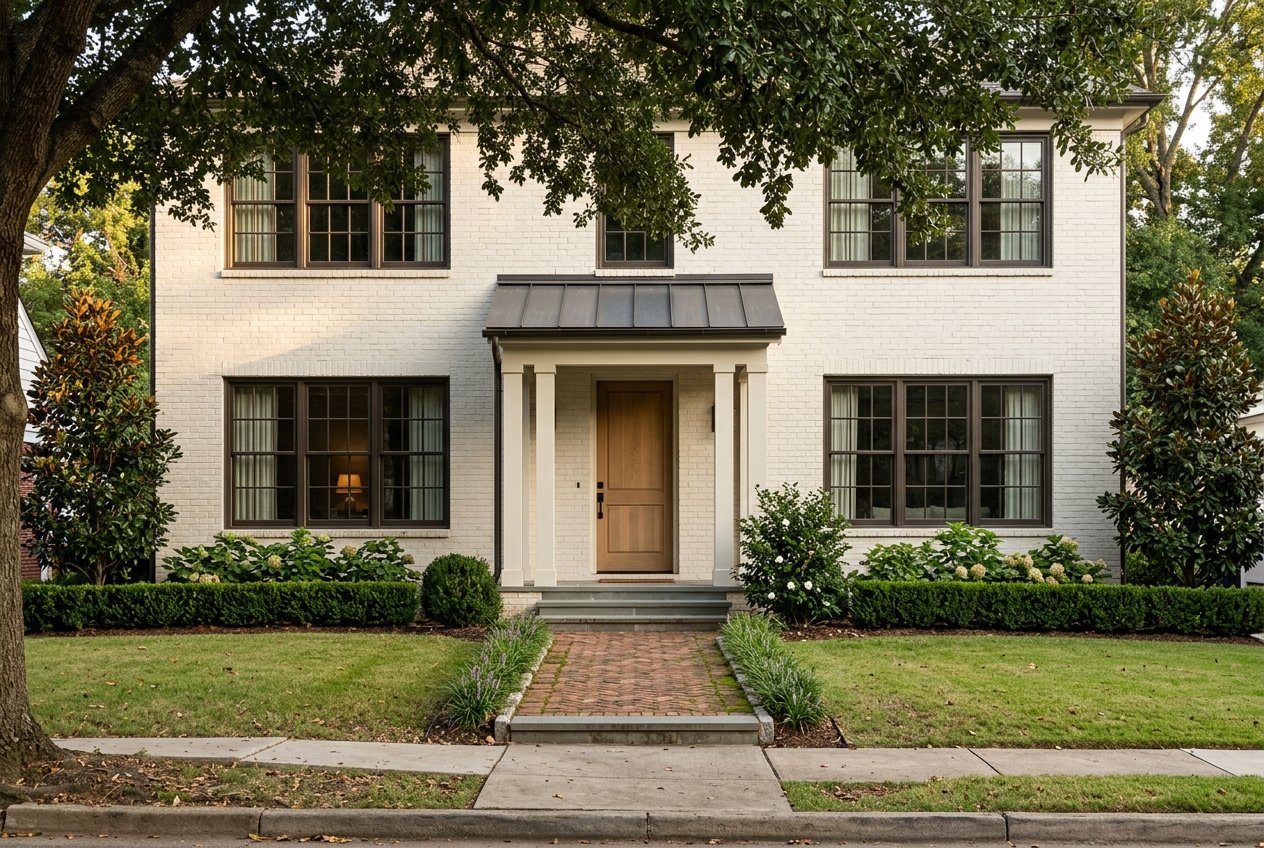
Curious what daily life really feels like in in-town Athens? If you are drawn to older homes, a more walkable setting, and quick access to dining, music, and trails, this part of Athens offers a very distinct lifestyle. It is not exactly suburban, and that is part of the appeal. Here’s what you can expect from living in the heart of Athens, and how to decide if it fits the way you want to live.
In-town Athens has a distinct feel
In-town Athens is best understood as a compact, historic, college-town core. Downtown Athens sits at the city’s central business district, and local downtown materials describe downtown and the University of Georgia meeting at West Broad Street among historic architecture and canopied walks.
That setting shapes the feel of everyday life. Nearby historic districts like Cobbham, Boulevard, Dearing, and Milledge add to the older residential character that many buyers associate with in-town Athens. Compared with more outlying areas, this part of town generally feels more connected, more active, and more oriented around getting places on foot.
Walkability is a major draw
For many buyers, the biggest lifestyle benefit is convenience. Downtown Athens is described locally as pedestrian-friendly, and it includes bike racks, parking decks, and streetside spaces that support a more flexible day-to-day routine.
ACC Transit also plays a big role in how in-town living functions. The system is currently fare free, runs 18 routes, and serves both UGA and downtown. Service hours are broad, with weekday service from 6:00 a.m. to 9:45 p.m. and weekend service from 7:00 a.m. to 6:45 p.m., though some routes run reduced schedules during university breaks.
That does not mean every resident will live fully car-free. Your experience will depend on your address, commute, and routine. Still, if you want the option to walk, bike, or use transit more often, in-town Athens makes that more realistic than many outer areas.
Public spaces support a people-first feel
City planning is reinforcing that walkable character. The College Square project is being designed as a people-focused public open space that prioritizes the pedestrian experience and connections between major destinations.
That matters because walkability is not only about sidewalks. It is also about how a place feels when you move through it, meet friends, run errands, or spend time outside. In-town Athens continues to invest in that kind of connected experience.
Dining and entertainment stay close to home
If you like having things to do without a long drive, in-town Athens stands out. Local downtown resources highlight a strong mix of music, Art Walks, street festivals, storefront retail, and streetside or rooftop dining.
The venue lineup alone says a lot about the area’s personality. Downtown includes places such as 40 Watt Club, Georgia Theatre, Morton Theatre, Live Wire Athens, Hendershots Coffee, The Foundry, and The Classic Center. That concentration of activity gives the area steady energy throughout the year.
The food and drink mix is broad, too. Downtown business listings include coffee shops, casual lunch spots, bars, and sit-down restaurants, with examples like 1000 Faces Coffee, Bento Stop, Blind Pig Tavern, Blue Sky, City Bar, Creature Comforts, and Mother Pho Vietnamese Restaurant.
The university shapes the rhythm of town
Living in-town also means living near the pulse of UGA. The academic calendar and football schedule create visible seasonal shifts, especially from late summer through fall and again in spring.
For example, the 2025 to 2026 academic calendar shows fall classes beginning August 13, fall break on October 31, Thanksgiving break November 26 through 28, and spring classes beginning January 5 or January 12 depending on the term. The 2026 football schedule also includes multiple home Saturdays in Athens from September through late November.
For residents, that can mean:
- More activity downtown during the school year
- Busier traffic and parking around major campus dates
- A livelier atmosphere on game days and event weekends
- Quieter stretches during some school breaks
For many people, that energy is part of what makes Athens special. If you prefer a calmer, less seasonal pace, it is worth thinking through how close you want to be to the center of activity.
You can stay close to trails and green space
One of the most appealing parts of in-town Athens is that urban convenience does not mean giving up outdoor access. The area has strong close-in recreation options, including trails and parks that connect naturally to daily life.
The Oconee Rivers Greenway includes 3.1 miles of natural-surface hiking trails and 8 miles of concrete multi-use trails. Those routes connect places such as Sandy Creek Nature Center, Dudley Park, North Oconee River Park, and the UGA area.
The Firefly Trail also begins in downtown Athens and connects to Dudley Park and the North Oconee River Greenway. That gives you options for a walk, bike ride, or outdoor break without needing to head far out of town.
Parks are part of the in-town lifestyle
Dudley Park is a 32-acre park just a short walk from downtown Athens and UGA. Sandy Creek Nature Center adds even more variety, with 225 acres of woodlands and wetlands, more than 4 miles of trails, an ADA interpretive trail, free admission, and sunrise-to-sunset trail access.
That combination is a big reason buyers are drawn to this area. You can enjoy the benefits of a more connected, active urban setting while still having easy access to natural spaces.
Housing often comes with character
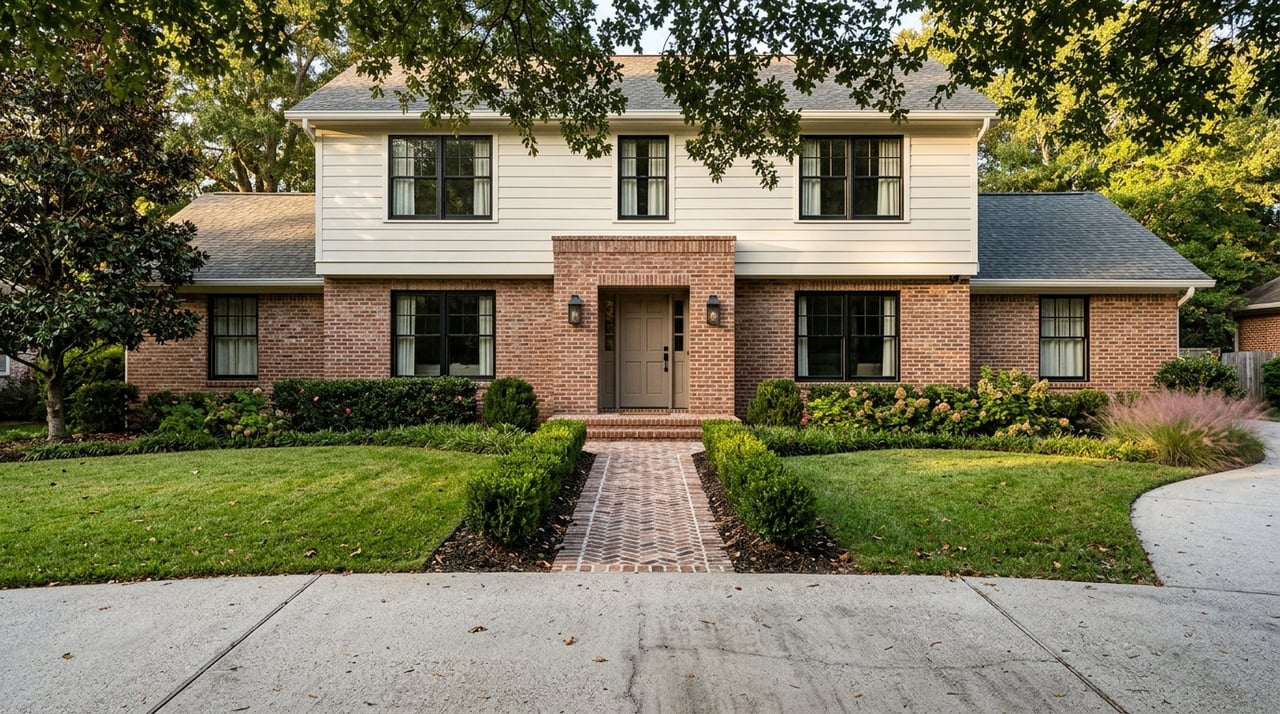
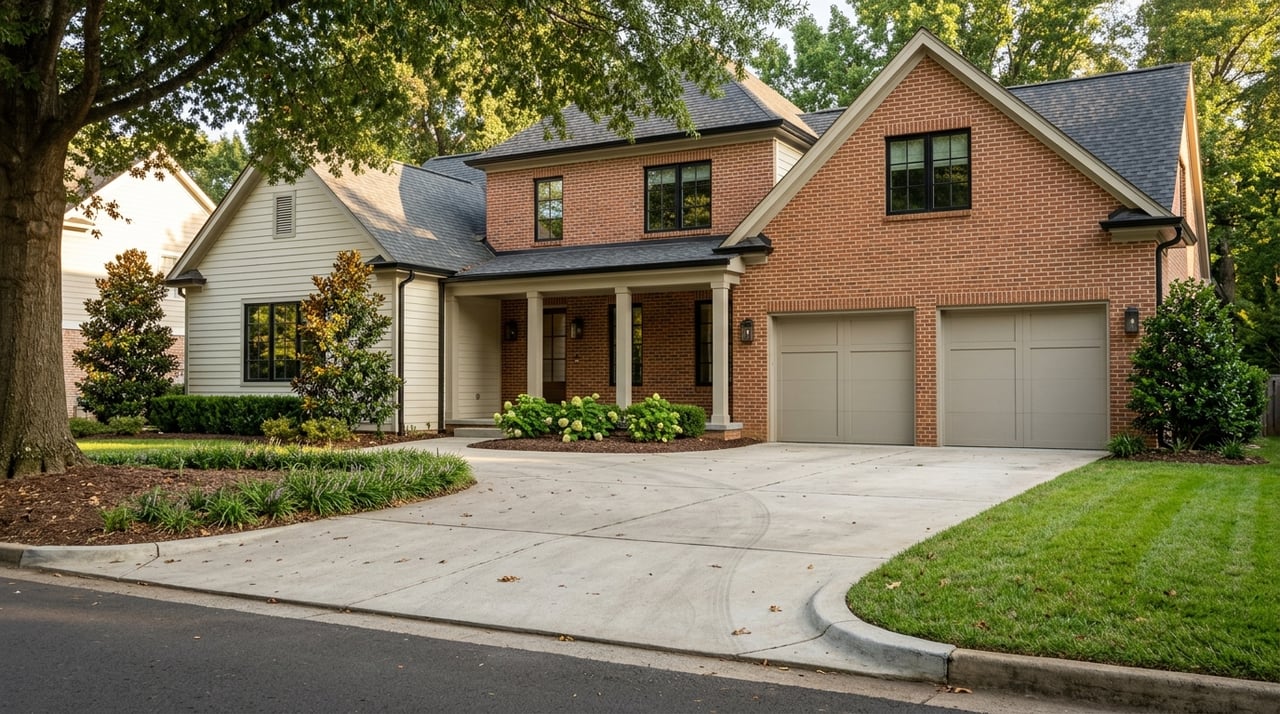
In-town Athens is often especially appealing if you value homes and streetscapes with personality. The older residential fabric in districts like Boulevard, Cobbham, Dearing, and Milledge gives many parts of in-town Athens a look and feel that newer areas do not replicate.
For some buyers, that character is a major plus. It can mean established streets, mature trees, and homes with details that feel tied to the city’s history. It can also mean smaller lots, older structures, and a need to think carefully about updates and maintenance.
Historic district rules may affect renovations
If you are considering a home in one of Athens-Clarke County’s designated historic areas, it is smart to do your homework early. The county has 16 local historic districts and 44 individual local historic landmarks.
For designated properties, exterior changes require a Certificate of Appropriateness. That is especially important to know if you are looking in districts such as Downtown, West Downtown, Boulevard, Cobbham, Dearing, Milledge, or Milledge Circle.
Why this matters before you buy
If a home needs work, renovation plans should be checked early in the process. That does not mean historic properties are off limits. It simply means you will want clear expectations about what changes may require review.
This is one place where local guidance can make a real difference. If you are comparing several homes, understanding restrictions and renovation possibilities up front can help you avoid surprises later.
In-town Athens is not one-size-fits-all
As appealing as in-town living can be, it comes with tradeoffs. This area is usually a better fit for buyers who want walkability, a lively downtown, access to UGA-related amenities, and housing stock with character.
It may be less ideal if you want a larger suburban buffer, easier parking in every situation, or more separation from activity. Dense urban living usually means more movement, more shared spaces, and a little more friction around parking and event traffic.
That does not make one option better than the other. It simply comes down to how you want your daily life to feel.
Who tends to enjoy in-town Athens most
In-town Athens often fits buyers who want to be close to the action and use the city more actively. You may be a strong match for this lifestyle if you value:
- Walking or biking to more places
- Easy access to restaurants, coffee shops, and events
- Proximity to UGA and downtown destinations
- Nearby trails and parks
- Older homes and established neighborhood character
You may want to look more broadly if your priorities lean more toward:
- Larger lots
- A quieter setting with less event-driven activity
- Simpler parking and driving routines
- More distance from the university core
The bottom line on in-town Athens
In-town Athens offers a lifestyle that is compact, historic, active, and full of local character. You get a strong mix of dining, music, transit access, trails, and neighborhood personality, along with the practical realities that come with a denser part of town.
If that mix sounds like the way you want to live, the next step is finding the right pocket and property for your routine, goals, and comfort level. If you want help thinking through neighborhoods, historic-district considerations, or what day-to-day life might look like for your move, connect with Aleena Merilien for a personalized consultation.
FAQs
What is in-town Athens GA known for?
- In-town Athens is known for its compact historic feel, pedestrian-friendly downtown, access to UGA, a strong dining and music scene, and close-in trails and parks.
Is downtown Athens GA walkable for daily life?
- Downtown Athens is described locally as pedestrian-friendly, and many residents also benefit from bike access, parking decks, streetside parking, and fare-free ACC Transit service.
Does ACC Transit serve in-town Athens?
- Yes. ACC Transit currently operates 18 routes, serves UGA and downtown, and offers broad weekday and weekend service hours, with some reduced schedules during university breaks.
How does UGA affect living in in-town Athens?
- UGA creates a seasonal rhythm that can affect traffic, parking, and activity levels, especially during the academic year and on football home Saturdays.
Are there trails and parks near downtown Athens GA?
- Yes. The Oconee Rivers Greenway, Firefly Trail, Dudley Park, and Sandy Creek Nature Center all provide close-in outdoor options for walking, biking, and enjoying nature.
Do historic district rules matter when buying in-town Athens?
- Yes. Athens-Clarke County requires a Certificate of Appropriateness for exterior changes to designated historic properties, so buyers should check renovation rules early when considering homes in local historic districts.